
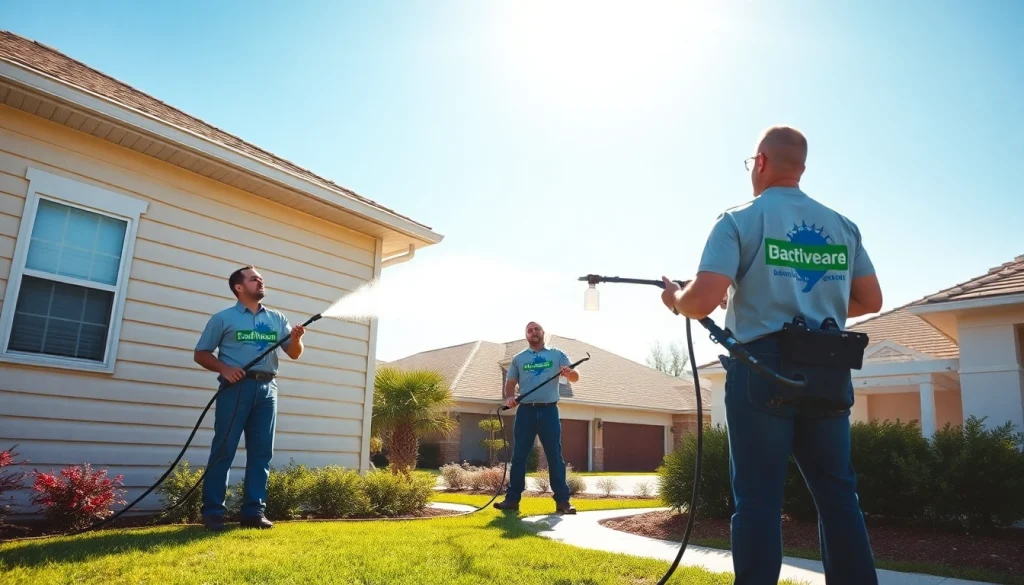
Understanding Soft Wash: The Eco-Friendly Cleaning Method
In the realm of exterior cleaning, soft washing has emerged as a preferred method that combines effectiveness with environmental consciousness. This technique employs low-pressure water combined with specialized cleaning solutions to safely eliminate dirt, mold, algae, and other contaminants from various surfaces. As property owners in Kissimmee, FL, and the broader Orlando area look for effective cleaning methods, the soft wash approach presents an appealing option. By utilizing gentler techniques, it not only protects surfaces but also extends the lifespan of your property’s exterior.
What is Soft Washing?
Soft washing is a delicate cleaning method that utilizes low-pressure water combined with eco-friendly cleaning solutions. Unlike traditional pressure washing, which blasts water at high pressures, soft washing targets delicate surfaces such as roofs, sidings, and painted surfaces with gentler pressure. This method effectively eliminates biofilms, mildew, and other contaminants without causing damage to the materials. It is particularly effective on surfaces prone to algae and mold growth, which are common issues in Florida’s humid climate. Soft washing not only cleans but also sanitizes surfaces, making it an ideal choice for maintaining the aesthetic and integrity of homes and commercial properties.
Benefits of Choosing Soft Wash Over Pressure Washing
When considering exterior cleaning methods, understanding the benefits of soft washing over traditional pressure washing is essential. Here are some advantages:
- Surface Protection: Soft washing uses a low-pressure technique that minimizes the risk of damage to sensitive surfaces such as roofing shingles, wooden siding, and painted walls.
- Long-Lasting Results: The cleaning solutions used in soft washing break down contaminants at their source, ensuring a deeper clean that lasts longer than surface-level pressure washing.
- Environmental Safety: Soft washing employs biodegradable soaps and eco-friendly solutions, making it a safer option for plants, pets, and water systems.
- Cost Efficiency: By prolonging the life of your exterior surfaces, soft washing can save homeowners and businesses money in the long run by reducing the need for repairs or premature replacements.
How Soft Wash Works: The Science Behind the Method
The science of soft washing is rooted in its ability to effectively interact with contaminants on a molecular level. The process typically involves a three-step approach:
- Application: A mixture of water and biodegradable cleaning agents is applied to the surface using low pressure. This allows the solution to penetrate and break down the dirt and organic matter.
- Agitation: Depending on the surface, gentle agitation may be applied manually or with soft bristle brushes to enhance the cleaning process.
- Rinsing: After allowing the solution to dwell for a specific time, surfaces are rinsed with low-pressure water to remove all contaminants, leaving behind a clean, sanitized surface.
Key Applications of Soft Wash Techniques
Soft Washing Residential Properties: Best Practices
Homeowners aiming to maintain the curb appeal and longevity of their properties can benefit significantly from regular soft washing services. Here are some best practices:
- Frequency: Regular soft washing should be scheduled at least annually, or biannually in humid climates, to prevent the buildup of algae and mold.
- Surface-Specific Techniques: Different surfaces require different approaches. For instance, roofs might need a specific solution for algae, while siding may require a more general cleaner.
- Professional Services: While DIY soft washing kits are available, hiring professionals ensures safety, effectiveness, and adherence to local environmental regulations.
Commercial Soft Wash Services: What to Expect
Businesses in Kissimmee and the Orlando area can enhance their image through professional soft wash services. Here’s what to expect:
- Customized Solutions: Commercial properties often have unique cleaning needs, and professional services will create tailored plans that address specific challenges, such as grease stains or heavy foot traffic.
- Flexible Scheduling: Many commercial services offer off-hours cleaning to allow businesses to maintain operations during cleaning.
- Maintenance Programs: Regular soft washing can be part of a maintenance program, keeping business exteriors looking clean and inviting year-round.
Specialty Services: Roof and Gutter Soft Wash Cleaning
Specialty soft wash services can significantly benefit roof and gutters, two often neglected areas in home maintenance:
- Roof Cleaning: Soft washing roofs not only cleans but also kills algae and prevents regrowth, extending the life of roof materials significantly.
- Gutter Cleaning: Clogged gutters can lead to severe water damage. Soft washing clears gutters of debris and buildup, ensuring proper drainage.
- Preventative Care: Regular soft washing of roofs and gutters helps avoid more significant issues related to mold growth and water damage.
Choosing the Right Soft Wash Equipment
Essential Tools for Effective Soft Washing
For those wishing to undertake soft washing as a DIY project, understanding the essential tools is crucial:
- Soft Wash System: A soft wash machine, which operates at lower pressure, is essential for safely applying cleaning solutions.
- Chemical Injector: This tool mixes cleaning solutions with water, ensuring the correct ratio for effective cleaning.
- Nozzle Selection: Using appropriate soft wash nozzles is vital; they control the pressure and flow of the solution.
DIY vs. Professional Soft Wash: When to Hire Experts
While DIY soft washing may seem appealing, certain scenarios warrant hiring professionals:
- Complex or Large Areas: If dealing with commercial buildings or multi-story homes, it’s safer and more effective to hire experts.
- Specialized Equipment: Professionals use advanced tools and solutions that are not readily available for retail purchase.
- Safety Concerns: Working with ladders and chemicals can pose risks, making it better to rely on trained technicians.
Cost Considerations for Soft Wash Equipment and Services
Understanding the cost associated with soft washing can help homeowners and business owners budget accordingly:
- Equipment Costs: A basic soft wash setup can range from $300 to $2,000 depending on quality and sophistication.
- Service Pricing: Professional soft washing services typically charge between $0.20 to $0.40 per square foot, with total costs varying based on job size and complexity.
- Long-Term Savings: Consider the long-term savings gained from maintaining your property’s surfaces, thus avoiding costly repairs.
Environmental Impact of Soft Washing
Eco-Friendly Cleaning Solutions: What to Use
Utilizing eco-friendly cleaning agents is central to the soft washing process. Common biodegradable solutions include:
- Bleach-Free Cleaners: These alternatives effectively kill mold and mildew without harming surrounding vegetation.
- Plant-Based Soaps: Derived from natural sources, these soaps clean effectively while being safe for the environment.
Water Conservation Techniques in Soft Washing
Water conservation is crucial in any cleaning process, and soft washing techniques can minimize water usage through:
- Efficient Systems: High-efficiency pumps and spray nozzles reduce the amount of water needed for effective cleaning.
- Wet Surface Applicators: This method applies solution directly to a wet surface, reducing runoff and waste.
Regulatory Standards for Eco-Friendly Pressure Cleaning
Understanding regulatory standards is essential for compliant cleaning practices:
- Local Regulations: Many municipalities have regulations regarding the discharge of cleaning solutions into storm drains; using eco-friendly options helps comply with these standards.
- Certification Programs: Opting for certified cleaning services can ensure adherence to stringent environmental practices.
Future Trends in Soft Washing for 2025 and Beyond
Innovations in Soft Washing Technology
The soft washing industry is continuously evolving with new technologies. Anticipated innovations include:
- Automated Systems: Advanced technology may lead to more automated soft washing systems that improve efficiency and effectiveness.
- Smart Cleaning Solutions: Biodegradable agents are being developed to respond to specific contaminants, optimizing cleaning processes.
Emerging Best Practices for Sustainability
As environmental sustainability becomes increasingly critical, emerging best practices may include:
- Water Recycling Techniques: Implementing systems that recycle water used during the washing process.
- Energy-Efficient Equipment: Future equipment designs may focus on lower energy consumption while maximizing cleaning efficiency.
Anticipating Customer Expectations in the Soft Washing Industry
As consumer awareness of environmental issues rises, customer expectations will continue to evolve. Key trends may include:
- Transparency: Customers may demand more transparency regarding cleaning agents and practices used by providers.
- Comprehensive Services: An increase in demand for bundled services that include soft washing with other eco-friendly maintenance options.