
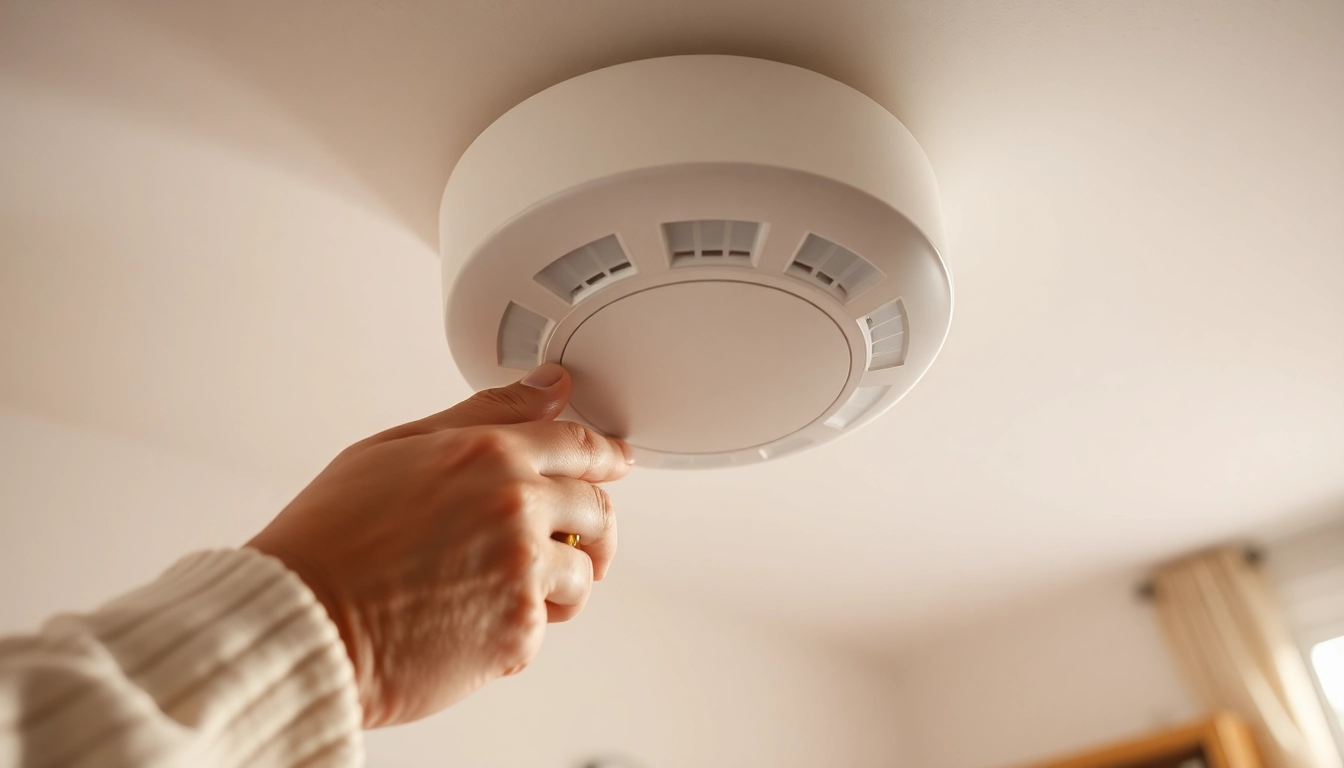
Understanding Smoke Detector Batteries
In the modern world, safety is paramount, especially when it comes to fire prevention. One of the key components of any fire safety system is the smoke detector, and integral to its function is the smoke detector battery. A malfunctioning battery can mean the difference between life and death. Choosing the right battery not only ensures the detector works effectively but also provides peace of mind.
This article delves into everything you need to know about smoke detector battery selection, installation, maintenance, and safety features. Understanding these elements can help you make informed decisions that enhance your home’s safety.
Types of Smoke Detector Batteries
When it comes to smoke detector batteries, there are primarily two types to consider: alkaline and lithium. Both options have their underpinnings and characteristics, but they function differently and have varied advantages.
- Alkaline Batteries: The most common type found in many smoke detectors, alkaline batteries are widely available and relatively inexpensive. They typically last for about six months to a year. However, their performance may degrade in extreme temperatures, which can be a concern in some home environments.
- Lithium Batteries: Lithium batteries tend to have a longer lifespan, usually lasting up to 10 years. They are less prone to leaks and provide stable voltage throughout their lifespan. The initial cost might be higher, but their longevity often makes them a more cost-effective choice in the long run.
Why Battery Quality Matters
Not all batteries are created equal. The quality of the smoke detector battery plays a vital role in the effectiveness of the detector itself. High-quality batteries typically offer reliable performance and increased safety. Poor-quality batteries may fail when needed most, compromising safety and increasing the risk of fire-related incidents.
For instance, lower-grade batteries might corrode over time, leading to leaks that can damage the detector. They may also provide insufficient voltage, causing the detector to malfunction. Therefore, it’s crucial to invest in reputable brands that offer good reviews and warranties.
Common Mistakes in Battery Management
In managing smoke detector batteries, several common mistakes can lead to potential dangers:
- Ignoring Replacement Timelines: Many households overlook the importance of regular battery replacement. Smoke detectors should be inspected at least once a month, and batteries should be replaced yearly or as recommended by the manufacturer.
- Using Incompatible Batteries: It’s essential to use batteries that match your smoke detector specifications. Using the wrong battery type can lead to malfunction or damage.
- Neglecting to Test Detectors: After replacing a battery, many forget to test the smoke detector. Regular testing can alert you to any defects or issues, ensuring that your fire safety system is fully functional.
How to Choose the Best Smoke Detector Battery
Selecting the right smoke detector battery is crucial for optimal performance. Here are key considerations to help guide your purchasing decision.
Considering Battery Life
Battery life is an essential factor to consider when choosing a smoke detector battery. While alkaline batteries might be cheaper upfront, their shorter lifespan means more frequent replacements. In contrast, lithium batteries, while more expensive initially, can provide a more extended service period, which might save you money in the long run.
Compatibility with Your Smoke Detector
Always check the specifications of your smoke detector before purchasing a battery. Some models are designed to work specifically with certain battery types, and using the wrong one could lead to malfunction. It’s worth referencing the user manual or contacting customer support if you’re unsure.
Comparing Rechargeable vs. Disposable Options
Another choice homeowners face is between rechargeable and disposable batteries. Disposable batteries tend to be more common. However, rechargeable batteries present a sustainable option that can save money over time.
Disposable batteries, as mentioned, need to be replaced periodically, while rechargeable batteries can be recharged multiple times. Still, their reliability may vary, and they can degrade faster if not maintained properly. Carefully weigh the pros and cons based on your lifestyle and usage frequency.
Installation and Maintenance Best Practices
Once you’ve selected the right battery, proper installation and maintenance are vital. These practices ensure that your smoke detector functions correctly and provides the safety you need.
Step-by-Step Battery Installation
Installing a new smoke detector battery should be straightforward. Here’s a quick guide:
- Ensure your smoke detector is clean and free from dust and debris.
- Open the battery compartment, usually found on the back or side of the detector.
- Remove the old battery and dispose of it responsibly.
- Insert the new battery, ensuring the positive and negative ends are aligned correctly.
- Close the battery compartment and test the smoke detector by pressing the test button.
Regular Maintenance Checks
In addition to replacing the batteries, routine checks are necessary. Here are a few maintenance tasks to include in your schedule:
- Test your smoke detectors monthly to ensure they respond appropriately.
- Clean dust and cobwebs from detectors at least twice a year.
- Replace the smoke detector itself every 10 years, as older models may not function as effectively.
Signs Your Battery Needs Replacement
Sometimes, it’s not enough to rely on a schedule for battery replacement. Look out for these signs that may indicate a need for replacement:
- The frequent chirping sound, which is a common alert for low battery life.
- The smoke detector fails to respond when tested.
- Corrosion visible in the battery compartment.
Safety Features and Innovations in Smoke Detector Batteries
Technological advancements in battery design are enhancing safety features in smoke detectors. Understanding these innovations can further empower consumers to make informed choices.
Smart Batteries and Their Advantages
Smart batteries connect to home monitoring systems, providing real-time alerts about battery status and smoke detection. Unlike traditional models, these batteries can notify homeowners through mobile apps, ensuring awareness even when they are not home. This integration is especially beneficial for individuals with disabilities or those who travel often.
Battery Safety Certifications
When purchasing batteries, look for certifications from reputable organizations like Underwriters Laboratories (UL) and the American National Standards Institute (ANSI). These seals indicate that the battery has been tested and meets strict safety standards. Investing in certified products can reduce risks associated with battery failure.
Future Trends in Smoke Detection Technology
The future of smoke detection technology looks promising, with innovations like photoelectric sensors and dual-sensor alternatives becoming more commonplace. In addition, advancements in battery technology are expected to provide longer-lasting and more reliable options, potentially changing the dynamics of smoke detector operation entirely.
Resources for Smoke Detector Battery Care
To ensure that your smoke detector functions optimally, utilizing tools and resources can be incredibly beneficial. Here’s a compilation of helpful tips and resources.
Helpful Tools and Apps
Several mobile applications can assist in managing smoke detector battery replacement schedules and maintenance reminders. Tools like ‘Smoke Detector Test’ apps can provide step-by-step guidance for checking and testing your smoke detectors.
Where to Buy Quality Batteries
When purchasing smoke detector batteries, consider reputable retailers or directly from manufacturers. Purchasing from trusted sources not only ensures quality but also increases the likelihood of getting the latest technology.
Community Guidelines for Fire Safety
Local fire departments and community programs often provide resources and guidelines for fire safety, which include information about smoke detectors and batteries. Engaging in community talks can enhance awareness and provide valuable insights into best practices for fire safety.


